How Long Does It Take Calories to Turn Into Pounds?
Understand the biological timeline of metabolism and how long it takes for excess calories to be stored as body fat.
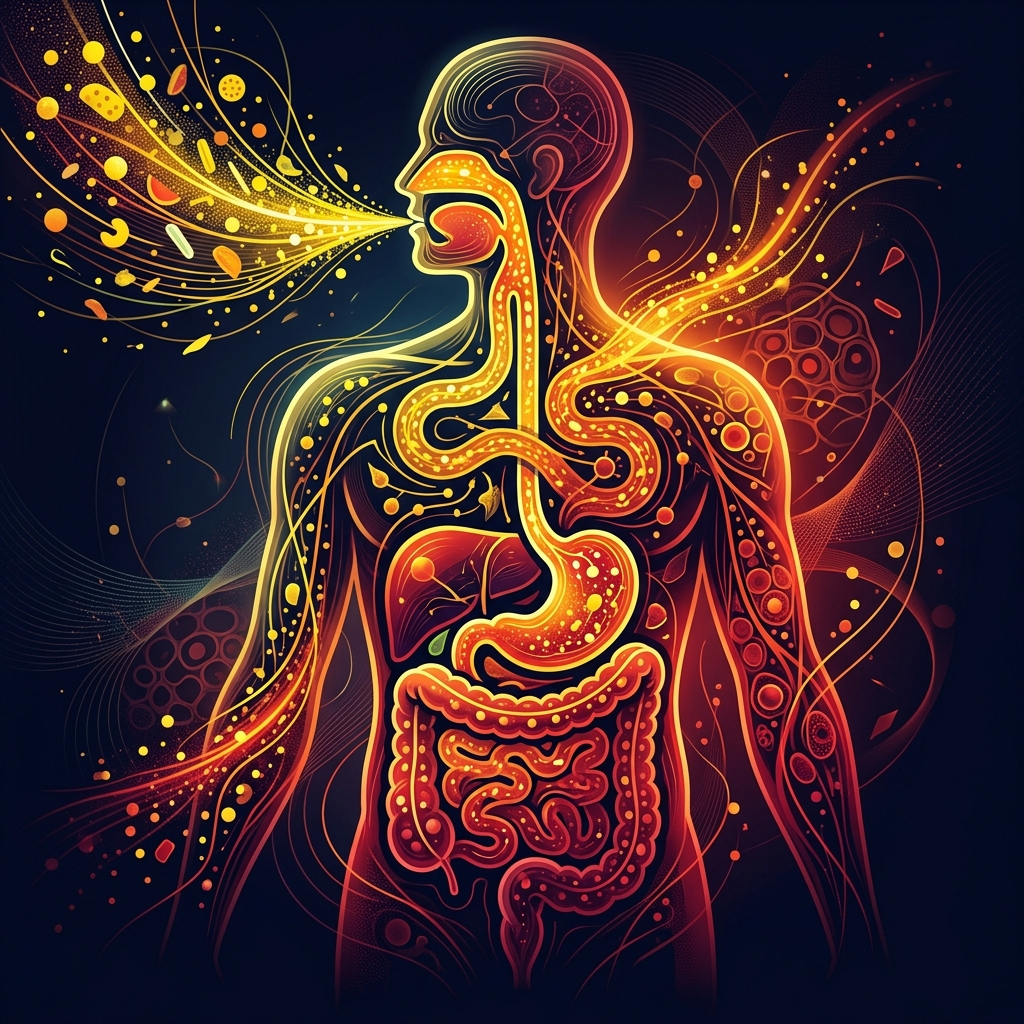
How Long Does It Take Calories to Turn Into Pounds?
We’ve all been there: after a heavy meal or a weekend of overeating, we step on the scale and see it jump by 2 or 3 pounds. But did that food actually turn into body fat overnight? How long does it take calories to turn into pounds?
In this article, we’ll explain the biological timeline of digestion, absorption, and fat storage, helping you understand what actually happens when you eat excess calories.
The Biological Timeline: From Mouth to Fat Cell
Your body does not instantly convert calories into adipose tissue. The process of digestion and metabolic storage takes time, typically spanning several hours to days.
Here is the step-by-step timeline of how a meal is processed:
1. Digestion and Absorption (0 to 6 Hours)
When you eat, food is broken down in the stomach and small intestine:
- Carbohydrates are converted to glucose and enter the bloodstream.
- Fats are broken down into fatty acids and absorbed.
- Proteins are broken down into amino acids.
During this phase, your insulin levels rise, signalling your body to use this fresh glucose for energy. No fat is stored yet; the body is busy processing the incoming food.
2. Glycogen Replenishment (4 to 18 Hours)
Before storing excess calories as fat, the body replenishes its primary energy reserves:
- Glycogen Reserves: Your liver stores about 100 grams of glycogen, and your skeletal muscles store 400-500 grams.
- If your glycogen stores are depleted (e.g. after a workout or sleep), your body will convert glucose into glycogen first.
- Only after glycogen reserves are full will the remaining glucose be directed toward fat storage.
3. Lipogenesis (12 to 36 Hours)
Once glycogen stores are full, the liver begins converting excess glucose into fatty acids, which are transported to fat cells. This process, called de novo lipogenesis, is slow.
Dietary fats are processed and stored more quickly (typically within 4 to 8 hours after consumption) because they do not require chemical conversion.
Why the Scale Jumps Immediately After Eating
If fat storage takes 12 to 36 hours, why does the scale show an immediate weight gain after a large meal?
This immediate gain is almost entirely due to temporary weight, not stored body fat:
- Weight of the Food: A large meal has physical weight. Until it is digested and eliminated, it adds weight to your body.
- Water Retention from Sodium: Restaurant meals and processed foods are often high in sodium, causing your body to retain extra water.
- Water Bound to Glycogen: Every gram of glycogen stored in your muscles binds to 3 to 4 grams of water. A high-carbohydrate meal refills glycogen stores and pulls several pounds of water into your muscles.
Summary of the Weight Storage Timeline
| Time After Meal | Physiological State | Weight Impact |
|---|---|---|
| 1 - 4 Hours | Food is in the stomach/intestines. Insulin is high. | Direct weight of food and water in digestive tract. |
| 4 - 12 Hours | Glycogen stores are being refilled. | Increased muscle weight due to water-binding glycogen. |
| 12 - 36 Hours | Excess fatty acids are stored in adipose tissues. | Actual accumulation of body fat tissue. |